
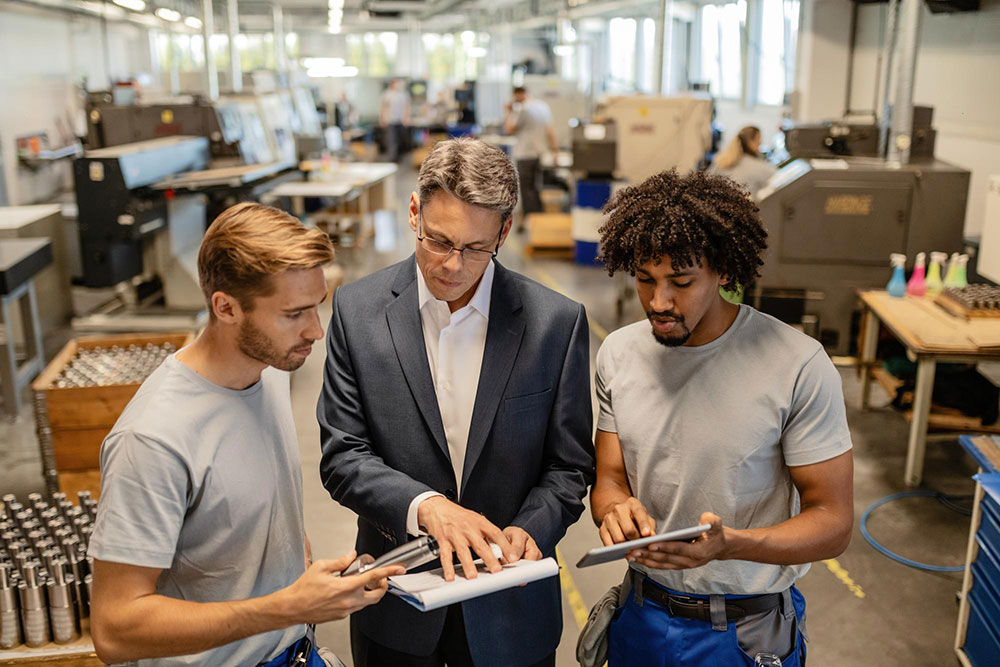
Equipping industrial projects requires meticulous planning and consideration of various factors. Firstly, assessing the specific needs of the project is crucial. Understanding the scale, scope, and intricacies helps determine the types of machinery, tools, and technology required. Collaborating with experienced engineers and project managers ensures a comprehensive understanding of the project’s requirements.
Secondly, technology integration plays a pivotal role. Incorporating state-of-the-art equipment with automation capabilities enhances efficiency and reduces operational costs. This may involve deploying advanced robotics, IoT devices, and data analytics to streamline processes and provide real-time insights for better decision-making.
Thirdly, safety measures cannot be overlooked. Equipping industrial projects demands adherence to stringent safety standards. This includes providing personal protective equipment (PPE), implementing safety protocols, and ensuring that all machinery meets regulatory requirements. A safe working environment is paramount for both personnel and the longevity of equipment.
Lastly, ongoing maintenance and support are essential. Developing a robust maintenance schedule and having access to reliable technical support contribute to the longevity of the equipment and prevent costly downtime. Training personnel on proper usage and maintenance procedures also plays a critical role in the overall success of industrial projects.